
17 Nights 18 days
Daily Tour
12 people
English
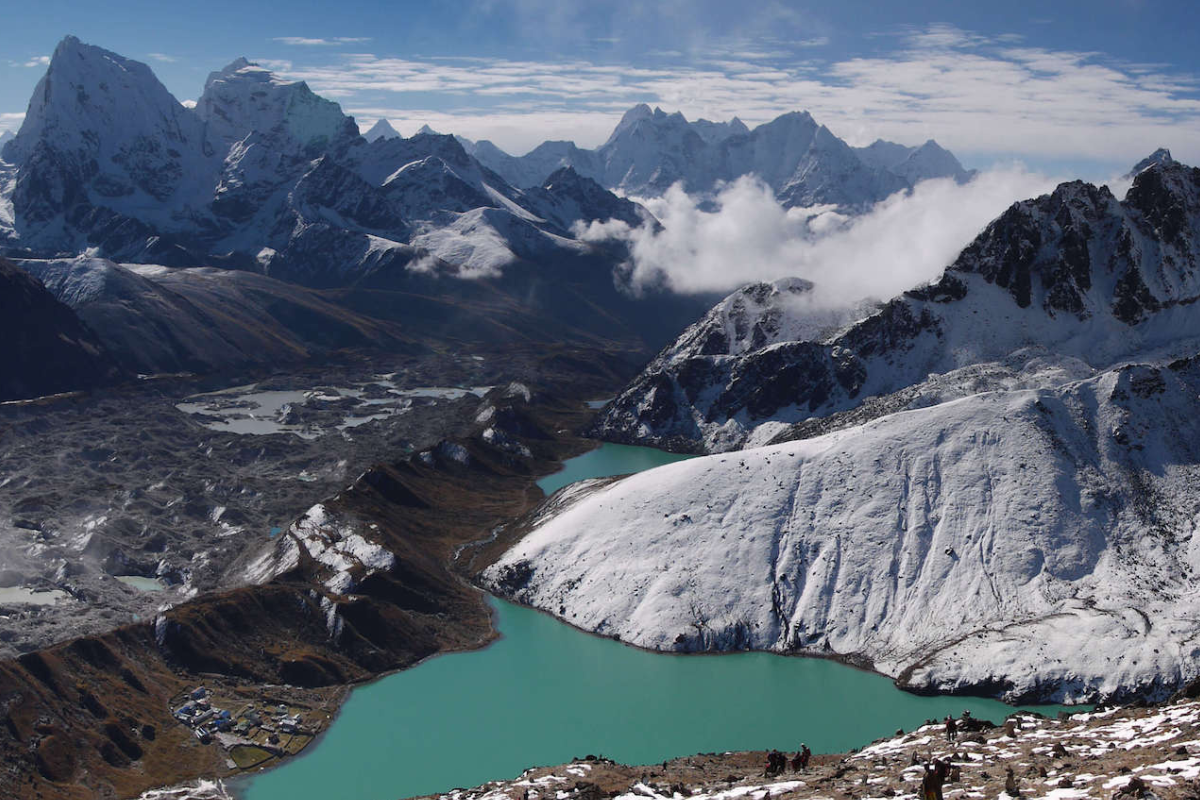
Everest Base Camp with Gokyo trek is the ultimate dual-valley adventure, combining the iconic footsteps of Hillary with the serene, turquoise beauty of the Gokyo Lakes. Starting with a scenic flight to Lukla, this 18-day journey winds through the vibrant Sherpa capital of Namche Bazaar before branching into the less-traveled Gokyo Valley. Here, you will traverse the lateral moraine of the Ngozumpa Glacier and ascend Gokyo Ri for one of the most spectacular panoramic views of Everest, Lhotse, Makalu, and Cho Oyu in the entire Himalayas.
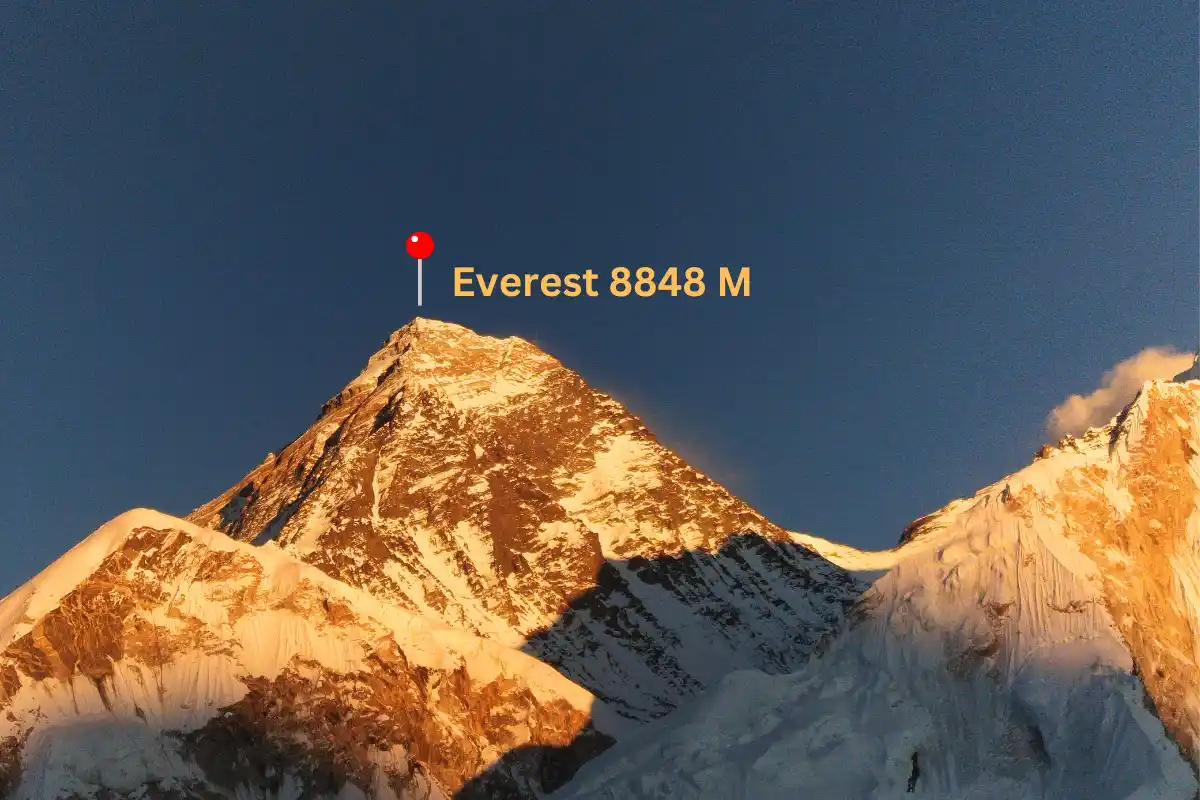
The adventure intensifies as you navigate the thrilling Cho La Pass crossing at 5,420m, a high-altitude glacier route that demands respect but rewards you with unparalleled alpine wilderness. Descending into the classic Khumbu trail, you will visit the spiritual heights of Tengboche Monastery and stand at the foot of the world at Everest Base Camp (5,364m), capped by a sunrise ascent of Kala Patthar (5,645m).
With Alpine Outdoor Adventure, your safety is our blueprint. You will be guided by government-registered, Wilderness First Responder (WFR) certified leaders who manage all Sagarmatha National Park permits, teahouse logistics, and 24/7 emergency coordination, allowing you to focus entirely on the experience of a lifetime.
Welcome to Nepal. We will be there at Airport arrival waiting to receive you and help make a smooth transfer to a hotel. Evening gear check and trip briefing.
Early morning flight to Lukla, scenic views of Himalayas, trek to Phakding through lush forests and Sherpa villages with beautifully carved maane walls.
Trek to Namche Bazaar via Hillary Suspension Bridge, passing Monjo and Jorsalle, entry into Sagarmatha National Park, if weather permits you can also see a glimpse of Everest.
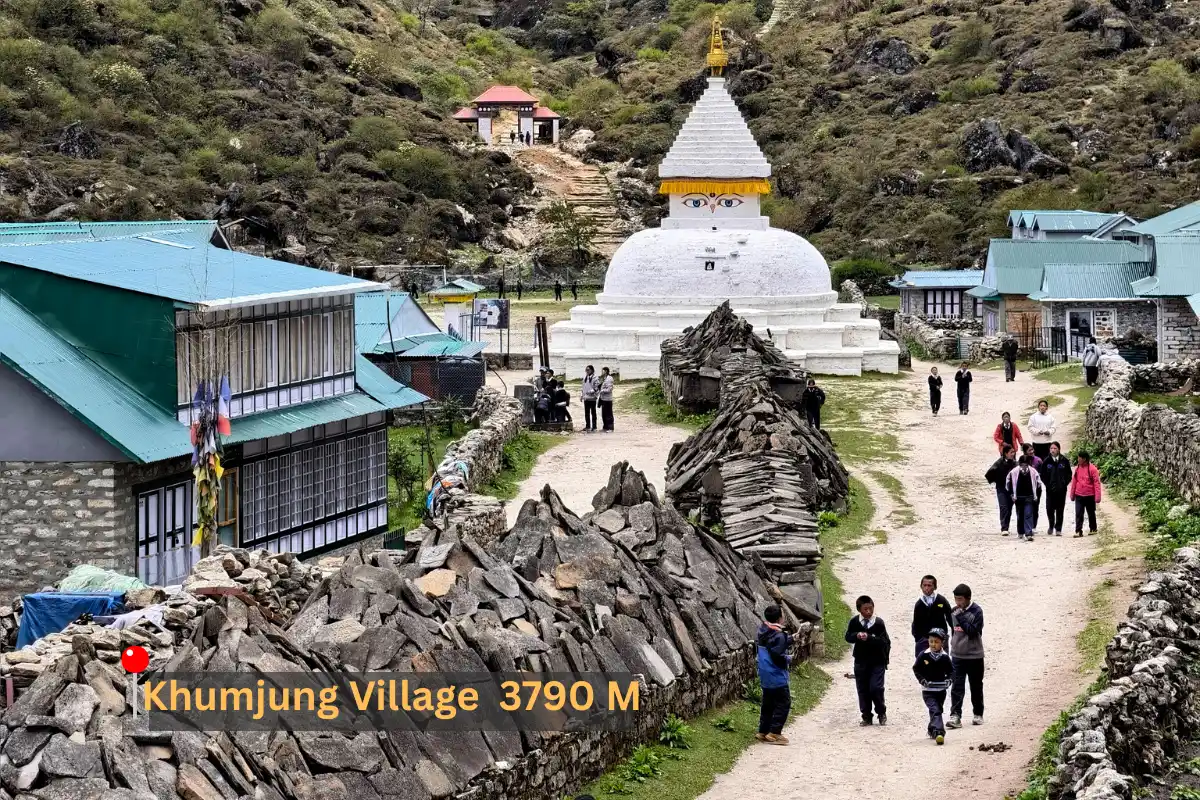
Trek to Khumjung via Everest view hotel, visit Khumjung Monastery (Yeti scalp), explore Hillary School and sagarmath next project. great view of Everest and the surrounding mountains.
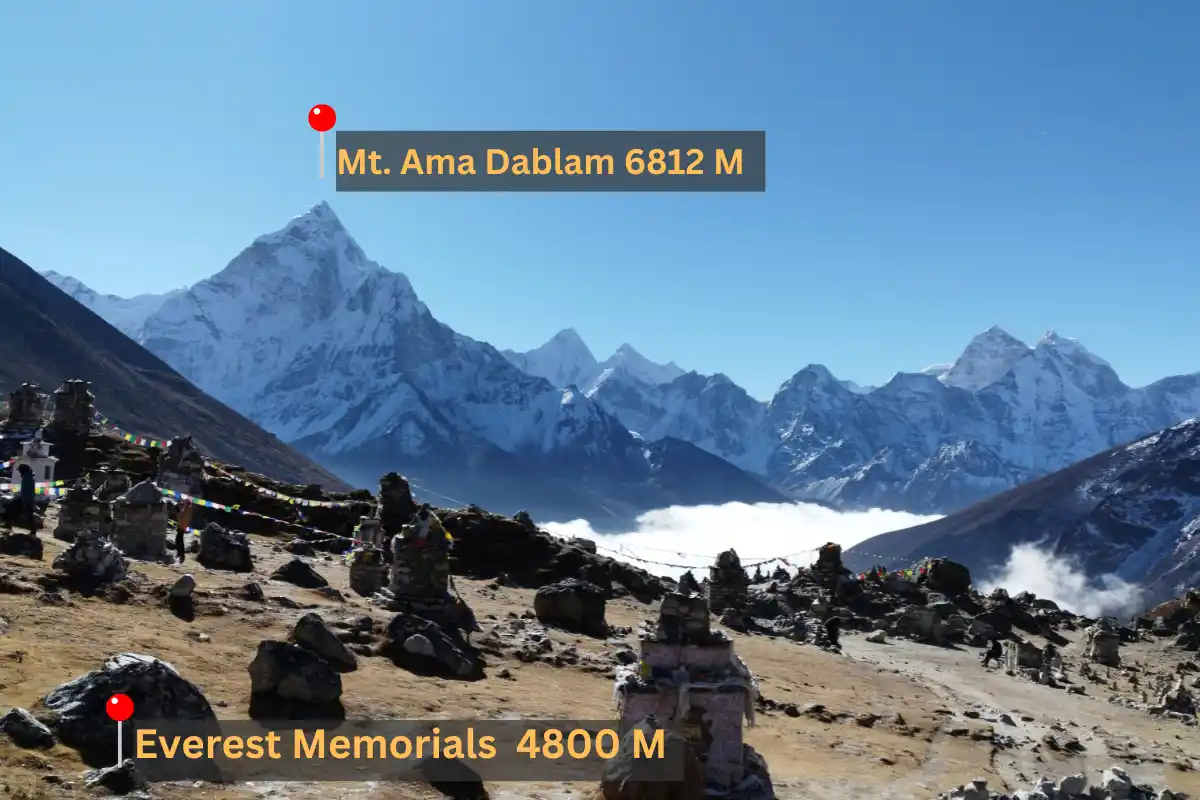
Leave the Everest Base Camp trail and branch off towards the Gokyo Valley. Ascend through rhododendron and pine forests with views of Kangtega and Thamserku. Reach Dole, a peaceful village nestled among the hills.
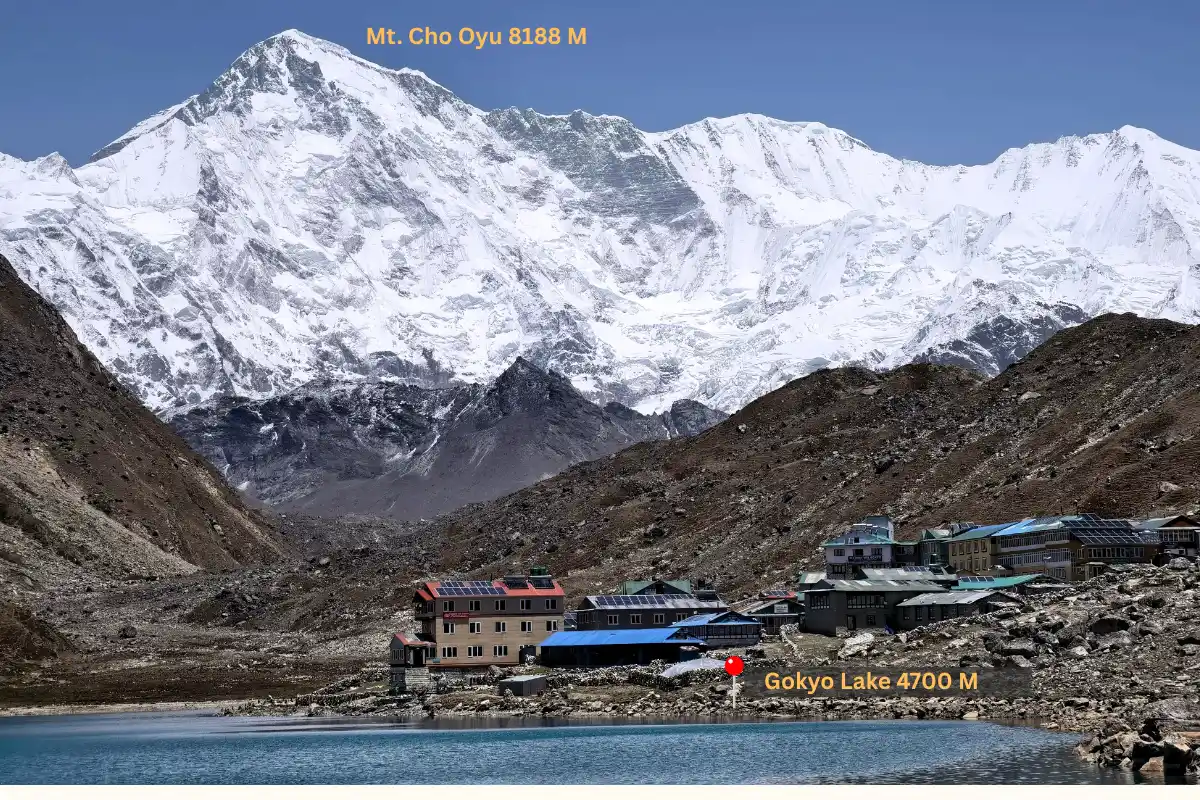
Continue gradually uphill through alpine meadows and yak pastures. Machhermo is the site of the first recorded Yeti sighting and offers excellent views of Cho Oyu.
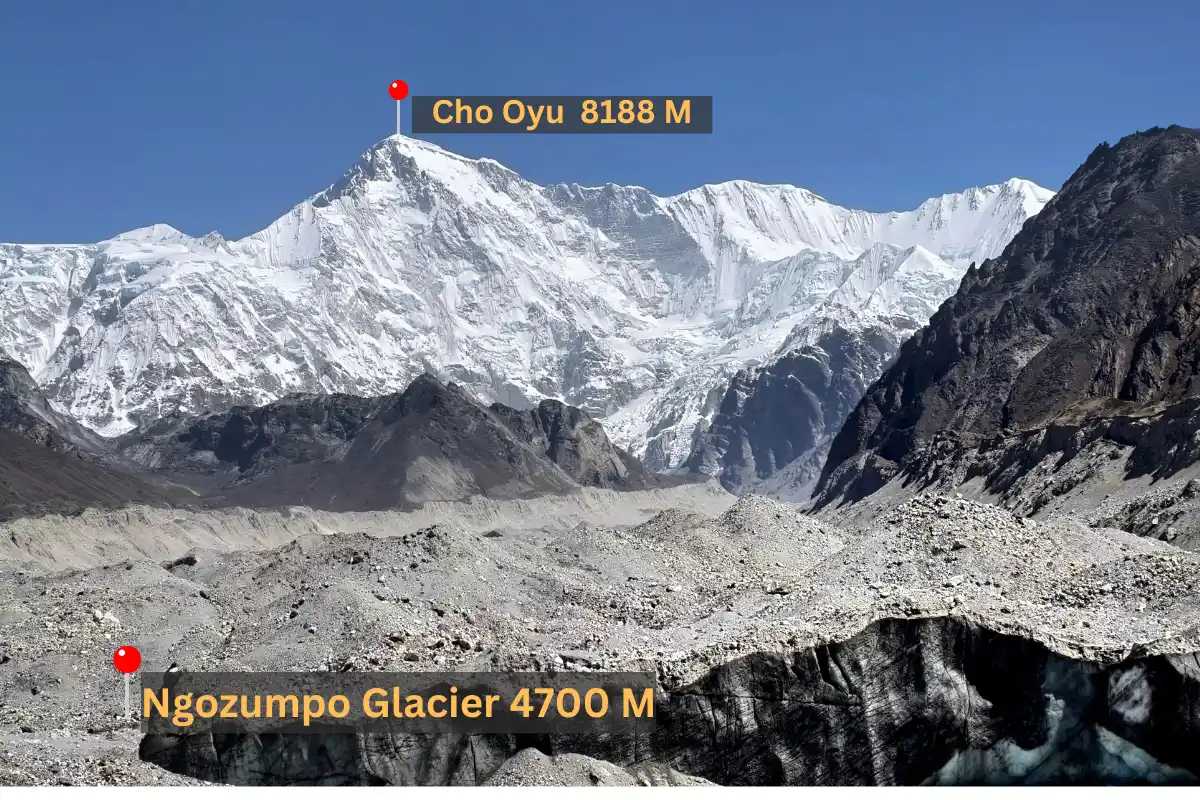
A spectacular trek alongside the Ngozumpa Glacier, past the stunning Gokyo Lakes. Arrive in Gokyo village beside the third lake. Relax and enjoy the serene glacial beauty.
Early morning hike to Gokyo Ri for one of the best panoramic views in the region: Everest, Lhotse, Makalu, and Cho Oyu. Spend the afternoon exploring the 4th and 5th lakes, or simply rest.
Cross the Ngozumpa Glacier to reach the small village of Thagnak. The route is rocky and glacier-filled. Prepare for the high pass crossing the next day.
Begin early to cross Cho La, a high and challenging pass covered in ice and snow. Steep ascents and descents require caution. Stunning views from the top. Descend to Dzongla for rest.
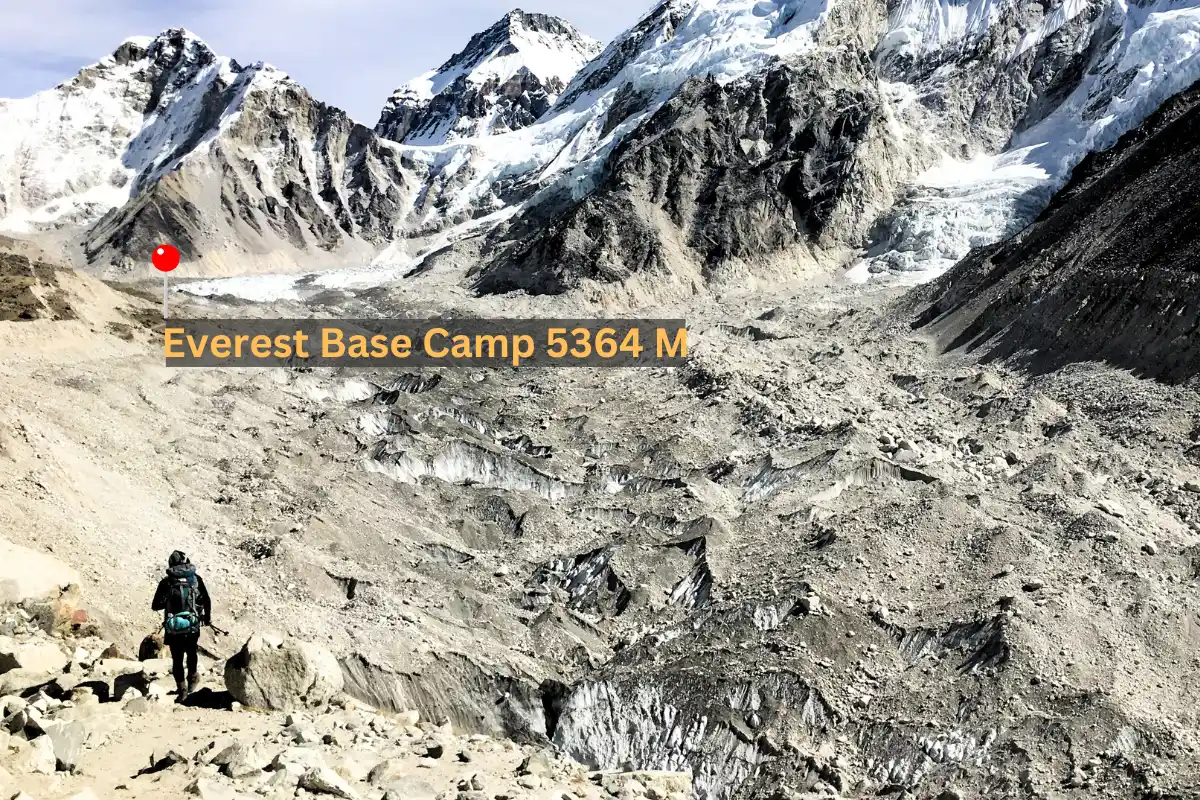
An easier day with a gentle hike to Lobuche. Views of Nuptse, Pumori, and other giants open up as you approach the Everest Base Camp . Trek through rocky terrain alongside the Khumbu Glacier to reach Everest Base Camp. Enjoy the legendary viewpoint with Khumbu Icefall nearby. Return to Gorak Shep for the night.
Pre-dawn hike to Kala Patthar for a sunrise view of Everest. Descend back to Gorak Shep, then continue downhill through Lobuche and Thukla to Pheriche, a windy and scenic valley.
Retrace your steps along the Dudh Koshi river, crossing suspension bridges and forested paths. Reach Namche Bazaar for a warm shower and celebration.
Final trekking day through the lush forest and traditional villages. Arrive in Lukla and celebrate the end of your trek with your guide and porter team.
Morning flight from Lukla to Ramechap, followed by a drive back to Kathmandu. Check into your hotel and enjoy a final dinner or souvenir shopping.
This is a reserve day incase you have delays on flight from Lukla. In the evening we can celebrate and have a farewell dinner.
We will bid you a farewell today and drop you to the internation airport according to your requirements. note: the best time is you book your flight for the evening or night departure.
The weather on this trek varies significantly depending on the season and altitude, ranging from mild and clear to harsh and freezing. You’ll trek through diverse climatic zones—starting from temperate forests in the lowlands to the alpine and glacial environment near Base Camp.
The temperature changes can be instant based on the weather. for example in december if the day is sunny with clear blue sky, without cloud and wind it can be warm ie feels like 15 degree celcious and with wind and cloud clocking the sun can instantly drop to 2 degree celcius.
| Season | Daytime | Nighttime | Weather Conditions |
|---|---|---|---|
| Spring (Mar–May) | 10°C to 20°C | -5°C to 10°C | Clear skies, blooming rhododendrons, mild winds |
| Monsoon (Jun–Aug) | 12°C to 18°C | 0°C to 10°C | Heavy rain below 3,000 m, leeches, slippery trails |
| Autumn (Sep–Nov) | 10°C to 20°C | -5°C to 8°C | Stable weather, crystal-clear mountain views |
| Winter (Dec–Feb) | -5°C to 15°C | -20°C to 8°C | Cold, dry air, snowfall at higher elevations |
The trek features a mix of terrain, including forested paths, rocky trails, scree slopes, exposed ridgelines, and glaciated sections towards the last village and till the Everest Base Camp. The highest point typically reached on this itinerary is Kalapathar 5600 meters, which requires a steady ascent with scarmbling on the last section. While no technical climbing is involved, basic scrambling skills and a reasonable level of agility are beneficial. If you are moderately fit and well-prepared, you'll likely do just fine with proper acclimatization. Nevertheless the altitude is never to be taken lightly and its important to follow your guides expertise and guidance.
Your safety is our absolute priority, and our guide team is trained to recognize and manage altitude symptoms immediately. Depending on the severity, options may include rest, descending to a lower altitude, or coordinating emergency helicopter evacuation through our 24/7 Kathmandu support team. We build dedicated acclimatization days into the itinerary specifically to minimize these risks and ensure your well-being.
On average, you can expect to trek between 5 to 8 hours per day. This may vary based on the itinerary, terrain, and your pace. The trek is designed with acclimatization in mind, allowing for gradual altitude gain and rest days when needed. However some days especially descending down are long and sometimes can take up 10-11 hrs.
While this trek is suitable for most healthy individuals with moderate fitness, some prior experience with hiking or cardiovascular endurance is highly recommended. Daily walking over varying terrain requires stamina, leg strength, and mental preparedness. Consistent pre-trek training—walking, jogging, or stair climbing—will significantly enhance your experience.
It’s advisable to consult your doctor regarding preventive medication such as Diamox (Acetazolamide). While not mandatory, it can aid acclimatization for some individuals.
Diamox (acetazolamide) is widely used to help prevent symptoms of altitude sickness during high-altitude trekking. It works by speeding up the body's natural acclimatization process. Health experts, including those in wilderness and mountaineering medicine, recommend its use in certain cases.
When should I consider taking Diamox?
For treatment of mild symptoms: 250 mg twice a day can be used, but rest or descent is still the primary solution.
Are there side effects?
Some people may experience:
These side effects are usually harmless and go away on their own.
Nevertheless we prioritize natural acclimatization and build rest days into the itinerary accordingly.
A personal medical kit is essential. We recommend including:
Any personal prescription medication
Your guide will carry a group first-aid kit for emergencies including emergency oxy cans.
You’ll carry a small daypack (20–30L) with essentials like water, snacks, a jacket, and camera. Your main gear will go into a duffel bag or large backpack (60–80L), carried by our porters. Please limit the porter load to a maximum of 10-12 kg per person.
First we truly believe with our proper guidance you will be able to complete the trip and thats what we call our success. If you choose to end your trek early due to your own personel reason or laziness, on your request our team will arrange your safe return to a lower altitude or back to Kathmandu, depending on your preference and condition. however in this case you will not be eligible for refund or any optional side trip. Any changes in logistics will be managed with your comfort and safety in mind, though additional costs may apply.
You’ll stay in locally operated teahouses, all most all of them have a great views offering twin-shared rooms with basic bedding i.e. mattress, pillow and blanket. Most of the tea houses are wooden structures, some are concrete and some are prefab. Bathroom and toilets are seperate and doesnt comes with amenities at all. There can be option for room with attached toilet/bathroom but note, especially in winter the plumbing system might gets freezed and can get smelly.
Meals typically include Nepali staples such as dal bhat, pasta, noodles, soups, eggs and other items, all served warm and fresh. Boiled drinking water, boiled water is usually available at an extra cost at teahouses, and we recommend using purification tablets or filters. Dinnings have a chimney heating system, which mostly gets on during the evening time.
Hot showers (gas/solar) are available at teahouses for an additional fee, the price ranges from 200 - 700 rs based on the elevation and remoteness. However, due to high altitude and limited facilities, we suggest limiting showers. Laundry services are rare on the trail, so plan to bring enough clothing or quick-dry items for the duration of the trek. You can do self laundry, but please calculate the time required for drying.
Basic electricity (solar or generator) is available in most teahouses for charging devices, often at an extra cost. Wi-Fi is sporadic and unreliable, especially at higher altitudes. Mobile network coverage exists in lower sections of the trek, but it becomes limited as you gain elevation. In general Nepal has 2 major telecom companies that provide the network services, which are known as “Namaste” or Nepal telecom a govt company and “Ncell” which is a private company. Nepal telecom generals have broader network coverage especially in the rural area.
Tipping is customary in Nepal and greatly appreciated. While it’s discretionary, a general minimum guideline is:
Tips are typically given at the end of the trek in a group ceremony as a gesture of gratitude.
The Ngozumpa Glacier is the largest glacier in the Himalayas, and trekking across its lateral moraine offers a surreal, otherworldly landscape unlike any other in Nepal. This route takes you past the stunning, turquoise Gokyo Lakes, providing a quieter, more pristine alternative to the standard Everest Base Camp trail. Our guides are experts in navigating this specific terrain, ensuring your safety while maximizing your photographic and cultural experiences.
The Cho La Pass crossing at 5,420m is a demanding but highly rewarding section of the trek, involving steep ascents and descents over rocky and icy terrain. Our Wilderness First Responder (WFR) certified guides assess trail conditions daily, provide necessary micro-spikes or crampons, and ensure a safe, paced crossing for the entire group. With proper acclimatization and guidance, this high-altitude adventure is entirely manageable for moderately fit trekkers.
The most convenient entry point is Tribhuvan International Airport (TIA) in Kathmandu. Popular international carriers such as Qatar Airways, Turkish Airlines, Emirates, and Singapore Airlines offer connections from major cities worldwide via transit hubs like Doha, Istanbul, and Dubai.
There are few cities where you can fly directly to Nepal daily. They are Bangkok, Kualalampur, Singapore, Delhi, Doha, Dubai and several other cities have direct flights once or twice to Nepal like Beijing, Chongqing, Chengdu, Hongkong, Osaka, Istanbul etc.

Member Since 2025