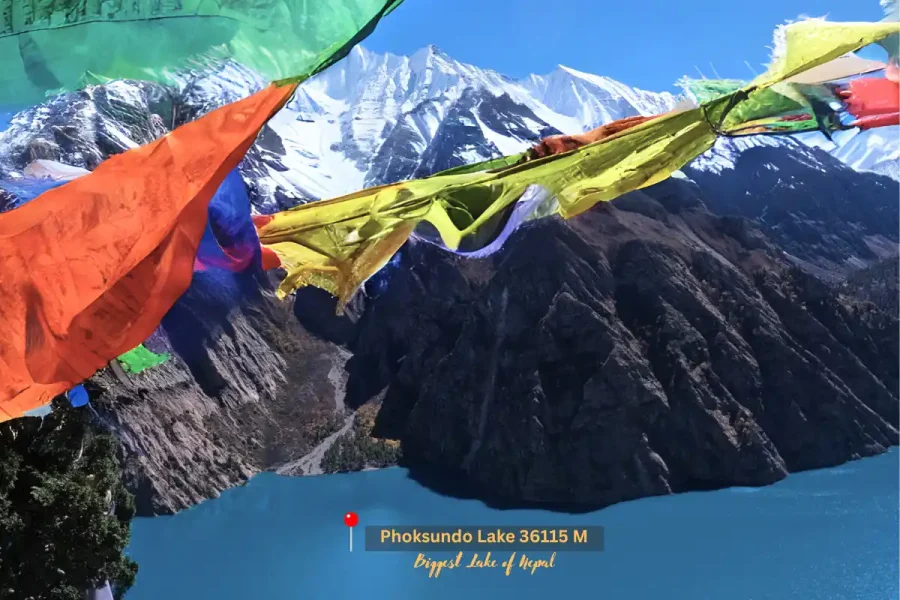
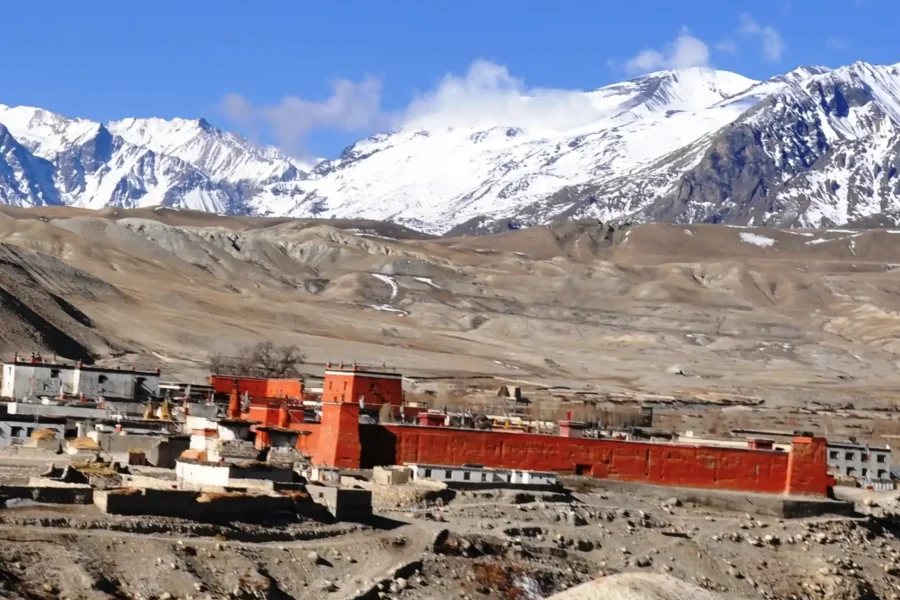
Khopra Ridge Trek Annapurna

5 (0 Reviews)
From: $1,050.00
5
(0 review)
Check
Duration

9 Night 10 Days

Tour Type

Daily Tour

Group Size

12 people

Languages

English

About this tour

Khopra Ridge Trek is located in western Nepal and northeast of Pokhara. The Khopra Danda  Trekking borders the districts of Myagdi and Kaski and is relatively close to the village of  Ghorepani in Dhaulagiri rural municipality. The Khopra Ridge trek is a community lodge-based  trek, so many also know this trek as the Khopra Ridge community trek. 

Khopra trek is situated in Annapurna region, this trek is one of the shorter, less popular, and  moderate treks in the Annapurna region.  

The beauty of the Khopra Ridge is the fact that it is a ridge. You walk two whole days on this  ridge. So for two days, there are big mountains on either side of you. I am not very sure if you  understand the significance of this. There are very few treks in this world where you walk for  two whole days on a ridge. Leave alone a trek with such astounding mountain views. When you  combine these two, the Khopra Ridge becomes a very special trek. 

Then there is the sense of adventure. On the Khopra Ridge trek, you climb to Khayer lake, which  is at around 15,700 feet. Getting to an alpine lake at this altitude is thrilling and adventurous.  Unfortunately, I don’t feel this on the ABC trek. 

You see great views from even inside your tea house. Just like any other trek in Nepal, the  Khopra Ridge trek has tea houses all along the trail, where you stay for the night. They’re  almost luxurious compared to other treks where you camp. 

Out of which 2 are amongst the 14 highest mountains in the world – Mt Dhaulagiri I-8167 m (7th highest)! and Mt Annapurna I- 8091m (10th highest). But that’s not the full picture. You  see the Annapurna massif at an arm’s distance (even closer than on the ABC trek).  

You see Mt Machapuchare as glorious as ever, it’s endless! Let’s not forget Mt Dhaulagiri. It  is right in front of you!

Highlights

  • Embark on a rewarding short trek in the Annapurna region—perfect for those seeking mountain magic without long days, yet rich in scenery and soul.
  • Soak in breathtaking views of Dhaulagiri, Annapurna South, Machhapuchhre, and Nilgiri—towering giants that stir both awe and reverence.
  • Hike to the sacred Khayer Lake at 4,500m—a remote jewel revered by Hindus and Buddhists, reached through thrilling trails and boundless silence.
  • Stand at the serene base of Annapurna South, where alpine landscapes and spiritual stillness invite you to pause and reflect.
  • Witness unforgettable sunrise and sunset views from Poon Hill and Khopra Ridge, where golden light dances on snow-capped peaks.
  • Venture off the beaten path into quiet trails and untouched Himalayan wilderness—perfect for mindful adventure and solitude.
  • Walk through terraced hills, rhododendron forests, and timeless villages—immerse yourself in the warmth and wisdom of mountain life.

Included/Excluded

  • Transportation: Include international airport pickup and drop-off services, as well as all necessary internal transportation related to the trek.
  • Food and Accommodation: 3 meals during the trek (one course a meal, BLD), all accommodation in tea houses twin sharing. Standard/ 3 star accommodation in Kathmandu with breakfast. Farewell Dinner at the end of the trip.
  • First Aid and Safety: Provide basic first aid kit with emergency oxy can. Accidental insurance for the trekking staff. 24/7 emergency response.
  • Guide and Porters: Professionally trained govt. Registered Trekking guide and strong porters, 1 porter for 2 trekkers.
  • Basic Gears: Sleeping bag, down jacket and duffle bag if clients do not have one.
  • Permits, tickets, taxes and service fee: all necessary admin/paperworks, permits, taxes and company service charge.
  • Extras: Any accommodation, food, beverages and activities that's not mentioned in the cost includes.
  • Personal items: Personal gearst, Personal medical, sanitation and care requirements, medical including insurance.
  • International flights: flight tickets to Nepal and from Nepal to home or the next country.
  • Personable expenses: In mountains depending on the place hot showers, electrical charging and internet will cost extra, as energy and technology up there is rare resources to gather.
  • Bank Transfer fee: while transferring the booking fee it will cost a small fee depending on the bank or the service provider.
  • Tips: in nepal especially trekking staff expects tips after the trip is completed.
  • Visa and Extension Fee: You can get Nepal visa on arrival and the price depends on the no. of days, minimum 15 days cost you 30 USD.

Itinerary

Welcome to Nepal, we will receive you with a private vehicle, based on your arrival details  from intl airport and transfer to hotel.

Enjoy a scenic drive alongside rivers, terraced hills, and rural Nepali life. Arrive in Pokhara, a beautiful lakeside city with views of Machhapuchhre and the Annapurna range.

Drive through countryside villages and start trekking from Ulleri. The trail climbs stone steps through dense rhododendron forests. Ghorepani offers sweeping views of Annapurna South and Nilgiri.

Early hike to Poon Hill (3210m) for a famous sunrise view over the Dhaulagiri and Annapurna ranges—including Machhapuchhre’s unique fishtail peak. After breakfast, descend through oak forests and terraced farms to the quiet village of Swanta. Day time explore Khopra water fall and witness the hives of mad honey bees on the cliff.

A long and rewarding climb. Pass through remote forests and grazing pastures. Upon reaching Khopra Ridge, you're treated to a jaw-dropping panoramic view of Dhaulagiri (8167m), Annapurna South, Nilgiri, and the massive Kali Gandaki gorge below—one of the deepest in the world.

A strenuous but sacred hike. The trail leads past alpine meadows, yak herders’ huts, and rugged ridges to Khayer Lake, a serene glacial lake considered holy by locals. The remote location and raw beauty make it a spiritual highlight of the trek.

Descend along a scenic ridgeline trail with constant views of Mt. Dhaulagiri and Annapurna South. Pass through yak pastures and rhododendron woods. Dobato is a peaceful stop with dramatic sunset viewpoints.

Trek down through forests rich in birdlife to Tadapani, then to Ghandruk, one of the largest and most beautiful Gurung villages in Nepal. Explore its traditional architecture and cultural museum before driving back to Pokhara.

Drive back through picturesque hills and riverside settlements. Return to Kathmandu’s bustling streets for final exploration or shopping.

Transfer to the airport. Say goodbye to Nepal with panoramic memories of high peaks, sacred lakes, and warm mountain hospitality.

Durations

10 Days

Languages

English

Frequently asked questions

Weather conditions on this trek varies, depending on the season, altitude and landscapes as there are so many micro climatic zones. 

Spring (March, April, May, September) – The lower region below 3,000 m can feel warm during the day, with temperatures ranging from 10–25°C, while mornings remain comfortably cool. Higher up, mornings and evenings are chilly (3–5°C), and daytime temperatures can reach 10–20°C if skies are clear and there's no wind. However, wind or cloud cover can drop the temperature quickly to around 5°C. Light rain showers are possible, especially in late spring. By May, the overall temperature becomes noticeably warmer than in autumn.

Autumn (October, November, December) – After early October, the weather stabilizes and gets drier. Mornings and evenings are generally cold, with temperatures dropping to 0°C  in November and December at higher elevations. Daytime remains pleasant, reaching up to 15–17°C under sunny, windless conditions. The skies are mostly clear, offering excellent mountain views, making this one of the best season.

The trek features a mix of terrain, including forested paths, rocky trails, scree slopes, exposed ridgelines. The highest point typically reached on this itinerary is Khayer lake 4600 meters.  A reasonable level of agility are beneficial on some sections. If you are moderately fit and well-prepared, you'll likely do just fine with proper acclimatization.

Set up online meeting with us for in person understanding.

If you experience discomfort—whether due to altitude, fatigue, or illness—our guide team is trained to assess and respond promptly. Depending on the severity, options may include rest, alternating the trail, descending to a lower altitude, or even arranging emergency evacuation if necessary. Your safety is always our top priority.

On average, you can expect to trek between 5 to 8 hours per day. This may vary based on the itinerary, terrain, and your pace. theres a day where you will be walking 10 hrs a max. The trek is designed with acclimatization in mind, allowing for gradual altitude gain .

While this trek is suitable for most healthy individuals with moderate fitness, some prior experience with hiking or cardiovascular endurance is highly recommended. Daily walking over varying terrain requires stamina, leg strength, and mental preparedness. Consistent pre-trek training—walking, jogging, or stair climbing—will significantly enhance your experience.

It’s advisable to consult your doctor regarding preventive medication such as Diamox (Acetazolamide). While not mandatory, it can aid acclimatization for some individuals. 

Diamox (acetazolamide) is widely used to help prevent symptoms of altitude sickness during high-altitude trekking. It works by speeding up the body's natural acclimatization process. Health experts, including those in wilderness and mountaineering medicine, recommend its use in certain cases.

When should I consider taking Diamox?

  • If you are ascending rapidly to elevations above 2,500 meters (8,200 ft).
  • If you have experienced altitude sickness before.
  • If you're unable to follow a gradual ascent schedule due to time limitations.

What is the recommended dosage?

  • For prevention: 125 mg twice a day (every 12 hours), starting 1–2 days before the ascent and continuing for 2 days after reaching your highest sleeping altitude.

For treatment of mild symptoms: 250 mg twice a day can be used, but rest or descent is still the primary solution.

Are there side effects?

Some people may experience:

  • Tingling in fingers or toes.
  • Increased urination.
  • Mild nausea or dizziness.
  • Changes in taste, especially with carbonated drinks.

These side effects are usually harmless and go away on their own.

Important Notes:

  • Diamox is not a substitute for proper acclimatization. A slow and steady ascent, rest days, and listening to your body remain the most effective ways to prevent altitude sickness.
  • Consult your doctor before using Diamox, especially if you have sulfa allergies or other medical conditions.
  • Stay well-hydrated, as Diamox can increase fluid loss through urination.

Nevertheless we prioritize natural acclimatization and build rest days into the itinerary accordingly.

Hot showers (gas/solar) are available at teahouses for an additional fee, the price ranges from 200 - 700 rs based on the elevation and remoteness. However, due to high altitude and limited facilities, we suggest limiting showers. Laundry services are rare on the trail, so plan to bring enough clothing or quick-dry items for the duration of the trek. You can do self laundry, but please calculate the time required for drying.

A personal medical kit is essential. We recommend including:

  • Altitude sickness tablets (if advised), Anti-diarrheal medication, Painkillers, paracetamol or ibuprofen), Anti allergy, Blister plasters, Rehydration salts.

Any personal prescription medication
Your guide will carry a group first-aid kit for emergencies including emergency oxy cans.

You’ll carry a small daypack (20–30L) with essentials like water, snacks, a jacket, and camera. Your main gear will go into a duffel bag or large backpack (60–80L), carried by our porters. Please limit the porter load to a maximum of 10-12 kg per person.

If you choose to end your trek early, our team will arrange your safe return to a lower altitude or back to Kathmandu, depending on your preference and condition. Any changes in logistics will be managed with your comfort and safety in mind, though additional costs may apply. 

We will do best to complete your adventure succesfully and thats what we will count our success too.

You’ll stay in locally operated teahouses, all most all of them have a great views offering twin-shared rooms with basic bedding i.e. mattress, pillow and blanket. Most of the tea houses are wooden structures, some are concrete and some are prefab. Bathroom and toilets are seperate and doesnt comes with amenities at all. 

Meals typically include Nepali staples such as dal bhat, pasta, noodles, soups, eggs and other items, all served warm and fresh. Boiled drinking water, boiled water is usually available at an extra cost at teahouses, and we recommend using purification tablets or filters. Dinnings have a chimney heating system, which mostly gets on during the evening time.

During the trek, not all the places have western style toilets in most hotels they have asian style squat toilet, It is always easier and cleaner to maintain squat toilets. Water is stored in drums. Since toilets are common for a floor, it can get dirty in peak seasons, when there’s a high flow of trekkers. Most of toilets you have to throw your toilet papers and sanitary pads in the rubbish bin. There wont be availability of toilet paper to use, however you can purchase them in the tea house, we reccomend you to carry few with you from kathmandu.

Basic electricity (solar/ community hydro/government) is available in most teahouses, for charging devices it will be available, often at an extra cost. Wi-Fi can be unreliable, especially at higher altitudes.

Mobile network coverage exists in lower sections of the trek, but it becomes limited as you gain elevation. In general Nepal has 2 major telecom companies that provide the network services, which are known as “Namaste” or Nepal telecom a govt company and “Ncell” which is a private company. Nepal telecom generals have broader network coverage especially in the rural area.

There are 2 types of electrical sockets in Nepal –type D which are old UK style (3 round pins) and type C which are standard European style (2 round pins) –and are 220v, same as the UK. The type D socket is commonly found in India, so any adapter that is suitable for India will be the right size, and a European adaptor will be fine for the type C socket.

Tipping is customary in Nepal and greatly appreciated. While it’s discretionary, a general minimum guideline is:

  • Guide: USD 10-15 per day.
  • Porter: USD 8-10 per day.

Tips are typically given at the end of the trek in a group ceremony as a gesture of gratitude. 

Nevertheless tipping is not mandatory if you are not happy, but we would be happy if you let us know your experience as we would like to improve ourselves and our staff. Our operation team in kathmandu will be 24/7 available to hear you and address the situation.

As of now, the visa fees are:

  • 15 days – USD 30.
  • 30 days – USD 50.
  • 90 days – USD 125

Fees must be paid in cash (USD) upon arrival at Tribhuvan International Airport or border entry points.

Yes, you can fill out the online visa application form via the official Nepal Department of Immigration website. After submission, print the confirmation receipt and bring it along with your passport and photo to present upon arrival.

The most common and the most convenient way to get a Nepal visa is to get on arrival directly from the airport once you land in Nepal.

The most convenient entry point is Tribhuvan International Airport (TIA) in Kathmandu. Popular international carriers such as Qatar Airways, Turkish Airlines, Emirates, and Singapore Airlines offer connections from major cities worldwide via transit hubs like Doha, Istanbul, and Dubai. 

There are few cities where you can fly directly to Nepal daily. They are Bangkok, Kualalampur, Singapore, Delhi, Doha, Dubai and several other cities have direct flights once or twice to Nepal like Beijing, Chongqing, Chengdu, Hongkong, Osaka, Istanbul etc.

Tour's Location

Reviews

5/5
Not Rated
(0 Reviews)
Excellent
3
Very Good
0
Average
0
Poor
0
Terrible
0
0 reviews on this Tour - Showing 1 to 0

Write a review

From: $1,050.00
5 (0 Reviews)

Owner

Alpine Outdoor Adventure

Member Since 2025

Explore other options