Annapurna Circuit Trek

0 (0 Reviews)
From:$1,460.00 $1,438.00
0
(0 review)
Check
Duration

12 Nights 13 Days

Tour Type

Daily Tour

Group Size

Unlimited

Languages

English

About this tour

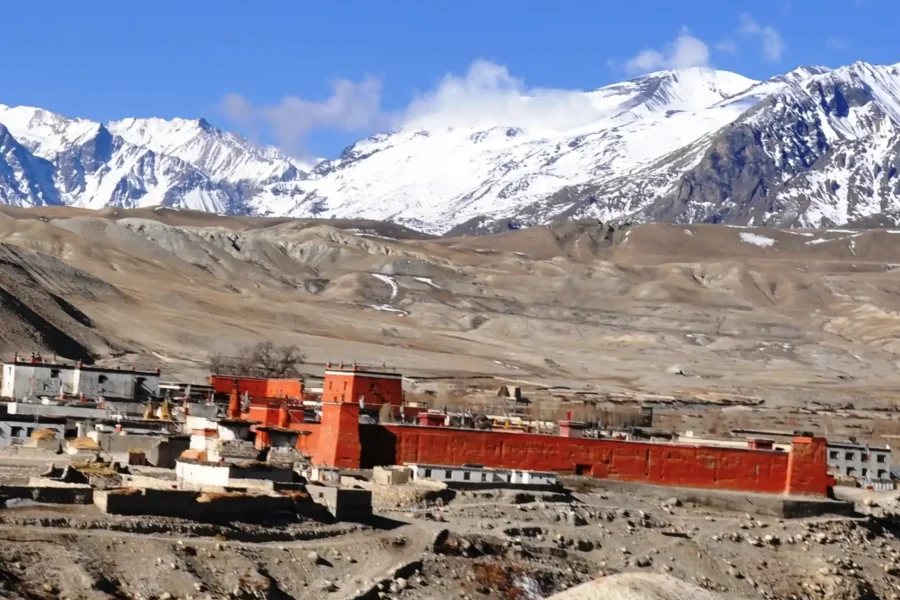
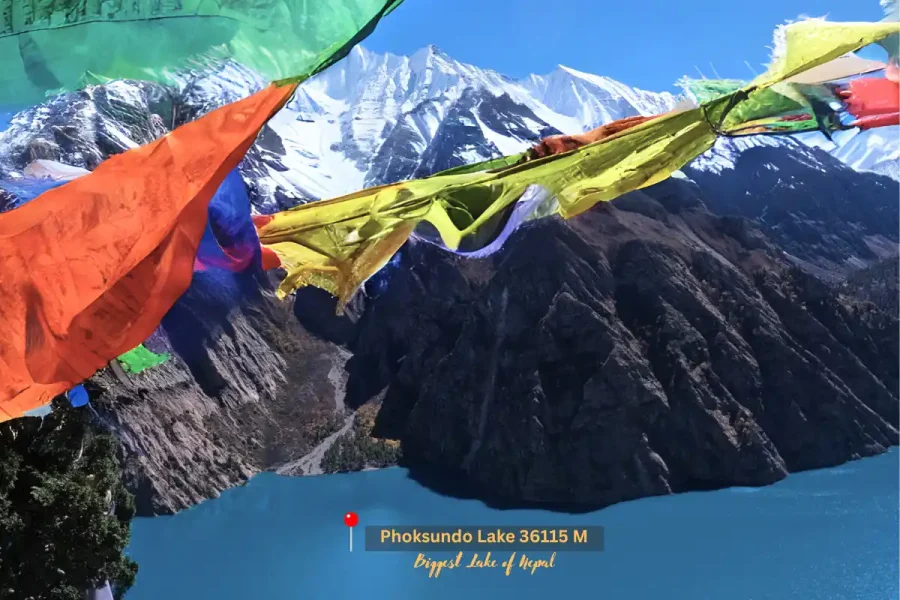
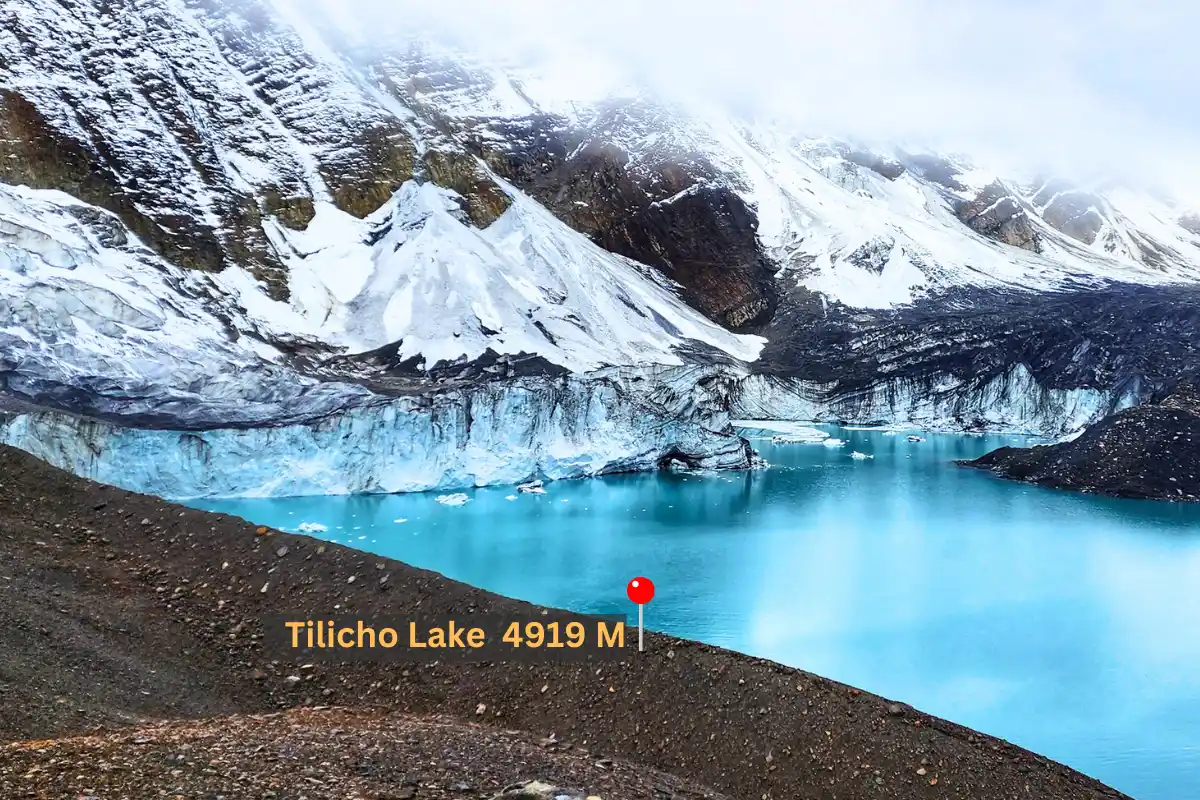
The Annapurna Circuit Trek is a world-renowned trekking route in Nepal, famous for its stunning landscapes, cultural diversity, and challenging trails. This trek offers a thrilling journey through lush valleys, deep gorges, and alpine forests as you ascend toward the high-altitude regions of the Annapurna Conservation Area. The trail winds through the heart of the Himalayas, offering mesmerizing views of towering peaks like Annapurna II, Gangapurna, and Tilicho Peak.

This trek is designed to walk around the annapurna range, mostly through the semi dry or dry area of the region, in fact the valley of Manang and the Mustang are the geological monument. The entire journey is not only about the adventure and the mountains but also about an opportunity to learn the cultural aspects of the people, through their lifestyle, monasteries and stories. At the same time you can enjoy comfortable tea houses and an accessibility to warm meals throughout the trek.

Crossing the Thorong-La pass from the semi dry valley of Manang to the dry valley of the Mustang is one of the highlights and a goal of the trek.

Our professional guides and team will be there every step of the way to ensure your journey is safe, comfortable, and enriching.

Highlights

  • Experience the classic Annapurna Circuit tea house trek, enjoying warm meals and comfortable lodging in traditional mountain villages.
  • Cross the iconic Thorong La Pass at 5,416m, the highest and most rewarding challenge of the Himalayan circuit.
  • Visit the sacred pilgrimage site of Muktinath and rejuvenate your muscles in the natural Jhinu Danda hot springs.
  • Walk through diverse climatic zones, from lush rhododendron forests to the high, arid landscapes of the Tibetan plateau.
  • Summarize your journey with a spectacular sunrise view over the Annapurna and Dhaulagiri massifs from Poon Hill.

Included/Excluded

  • Transportation: Include international airport pickup and drop-off services, as well as all necessary internal transportation related to the trek.
  • Food and Accommodation: 3 meals during the trek (one course a meal, BLD), all accommodation in tea houses twin sharing. Standard/ 3 star accommodation in Kathmandu with breakfast. Farewell Dinner at the end of the trip.
  • First Aid and Safety: Provide basic first aid kit with emergency oxy can. Accidental insurance for the trekking staff. 24/7 emergency response.
  • Guide and Porters: Professionally trained govt. Registered Trekking guide and strong porters, 1 porter for 2 trekkers.
  • Basic Gears: Sleeping bag, down jacket and duffle bag if clients do not have one.
  • Permits, tickets, taxes and service fee: all necessary admin/paperworks, permits, taxes and company service charge.
  • Extras: Any accommodation, food, beverages and activities that's not mentioned in the cost includes.
  • Personal items: Personal gearst, Personal medical, sanitation and care requirements, medical including insurance.
  • International flights: flight tickets to Nepal and from Nepal to home or the next country.
  • Personable expenses: In mountains depending on the place hot showers, electrical charging and internet will cost extra, as energy and technology up there is rare resources to gather.
  • Bank Transfer fee: while transferring the booking fee it will cost a small fee depending on the bank or the service provider.
  • Tips: in nepal especially trekking staff expects tips after the trip is completed.
  • Visa and Extension Fee: You can get Nepal visa on arrival and the price depends on the no. of days, minimum 15 days cost you 30 USD.

Itinerary

Welcome to Nepal, we will arrange you a private pick up based on your arrival details  from intl airport and transfer to hotel. Meet with rest of the team, trip briefing.

Long scenic drive through green hills, terraced fields, and river valleys. Stop at Besisahar for lunch before continuing on rough roads alongside the Marsyangdi River to Dharapani.

Walk through pine forests, waterfalls, and villages. Stunning views of  Manaslu, and Lamjung Himal along the way. Chame is the headquarter of the manang district, you can also enjoy the hot spring here, from Chame you can begin seeing the mountain and the different views continue from the next day's trail.

Koto is a small Tibetan-style village and the gateway to Nar Phu Valley.

Enjoy the beautiful walk throuh souther face wide trails, so meaning less shade ....walk through small viallges, stop by bhartang one of the iconice apple farm in the country and yes offcourse try local apple or anyother apple dish. As you gain the elevation, you will also come accross one of the iconi rock slab called the heavens gate. the lunch place offers the better view of the rock. head towards upper pisang an old village above the valley of lower pisang. late afternoon attend the monastery puja - view iconic rocky mountain called heaven's gate together with other snow capped mountain including Annapurna 2

A dramatic trail with high cliffs, suspension bridges, and ancient chortens. Pass through desert-like terrain with Himlung Himal (7,126m) in the distance. Phu is an ancient Tibetan settlement with stone houses, yak pastures, and Buddhist monasteries.

Visit Tashi Lhakhang Monastery, one of the oldest monasteries in the region. Explore ancient fort ruins, a reminder of the region’s medieval past. Ideal day for high-altitude adaptation.

Descend through rugged canyons and cross multiple suspension bridges. Pass mani walls and prayer flags along the trail. Nar Phedi is home to a monastery where trekkers typically stay.

Gradual uphill hike with incredible views of Kang Guru and Pisang Peak. Nar Village is more vibrant than Phu, with traditional stone houses, chortens, and colorful prayer flags.

Steep ascent to Kang La Pass with breathtaking views of the Annapurna range, Tilicho Peak, and Chulu East. Long descent into the Marsyangdi Valley, arriving at Ngawal, a beautiful village with comfortable lodges.

Trek down to the valley of humde and A long but scenic drive along the Marsyangdi River. Pass waterfalls, dense forests, and small villages. 7 hrs drive

A Depending on preference, travelers can return to Kathmandu, relax in Pokhara, or visit Chitwan for a wildlife safari.

We will bid you a farewell today and drop you to the internation airport according to your requirements. note: the best time is you book your flight for the evening or night departure.

Durations

13 Days

Languages

English

Frequently asked questions

Weather conditions in the Narp Phu valley varies, depending on the season, altitude and landscapes as there are so many micro climatic zones. 

Spring (March, April, May, September) – The lower region below 3,000 m can feel warm during the day, with temperatures ranging from 10–20°C, while mornings remain comfortably cool. Higher up, mornings and evenings are chilly (3–5°C), and daytime temperatures can reach 10–20°C if skies are clear and there's no wind. However, wind or cloud cover can drop the temperature quickly to around 5°C. Light rain showers are possible, especially in late spring. By May, the overall temperature becomes noticeably warmer than in autumn.

Autumn (October, November, December) – After early October, the weather stabilizes and gets drier. Mornings and evenings are generally cold, with temperatures dropping to 0°C or below in November and December at higher elevations. Daytime remains pleasant, reaching up to 15–17°C under sunny, windless conditions. The skies are mostly clear, offering excellent mountain views, making this one of the best seasons for trekking in the Nar Phu Valley.

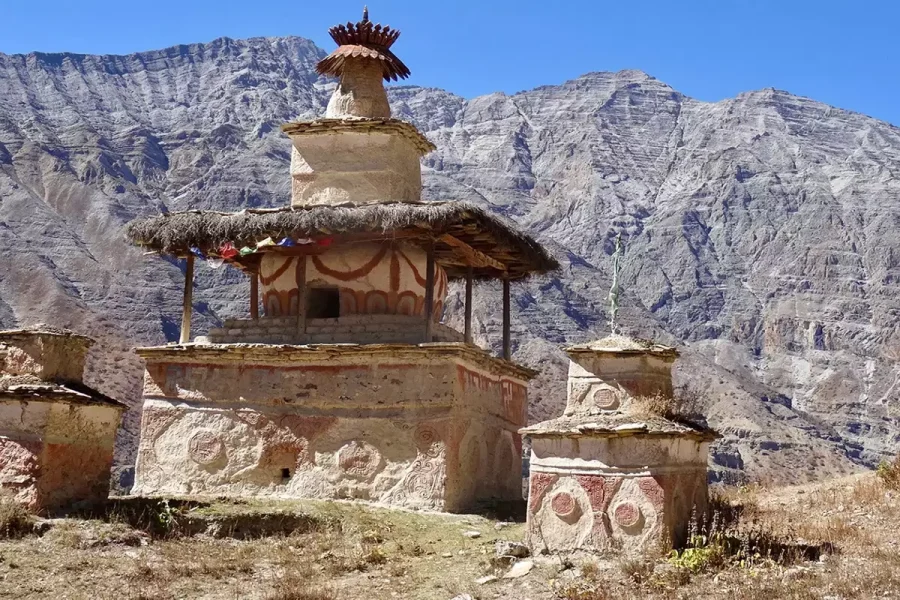
The trek features a mix of terrain, including forested paths, rocky trails, scree slopes, exposed ridgelines, and occasional glaciated sections near the higher altitudes. The highest point typically reached on this itinerary is Kang la Pass 5322 meters, which requires a steady ascent and good balance.  A reasonable level of agility are beneficial on some sections. If you are moderately fit and well-prepared, you'll likely do just fine with proper acclimatization.

If you experience discomfort—whether due to altitude, fatigue, or illness—our guide team is trained to assess and respond promptly. Depending on the severity, options may include rest, descending to a lower altitude, or even arranging emergency evacuation if necessary. Your safety is always our top priority.

On average, you can expect to trek between 5 to 8 hours per day. This may vary based on the itinerary, terrain, and your pace. The trek is designed with acclimatization in mind, allowing for gradual altitude gain and rest days when needed.

While this trek is suitable for most healthy individuals with moderate fitness, some prior experience with hiking or cardiovascular endurance is highly recommended. Daily walking over varying terrain requires stamina, leg strength, and mental preparedness. Consistent pre-trek training—walking, jogging, or stair climbing—will significantly enhance your experience.

It’s advisable to consult your doctor regarding preventive medication such as Diamox (Acetazolamide). While not mandatory, it can aid acclimatization for some individuals. 

Diamox (acetazolamide) is widely used to help prevent symptoms of altitude sickness during high-altitude trekking. It works by speeding up the body's natural acclimatization process. Health experts, including those in wilderness and mountaineering medicine, recommend its use in certain cases.

When should I consider taking Diamox?

  • If you are ascending rapidly to elevations above 2,500 meters (8,200 ft).
  • If you have experienced altitude sickness before.
  • If you're unable to follow a gradual ascent schedule due to time limitations.

What is the recommended dosage?

  • For prevention: 125 mg twice a day (every 12 hours), starting 1–2 days before the ascent and continuing for 2 days after reaching your highest sleeping altitude.

For treatment of mild symptoms: 250 mg twice a day can be used, but rest or descent is still the primary solution.

Are there side effects?

Some people may experience:

  • Tingling in fingers or toes.
  • Increased urination.
  • Mild nausea or dizziness.
  • Changes in taste, especially with carbonated drinks.

These side effects are usually harmless and go away on their own.

Important Notes:

  • Diamox is not a substitute for proper acclimatization. A slow and steady ascent, rest days, and listening to your body remain the most effective ways to prevent altitude sickness.
  • Consult your doctor before using Diamox, especially if you have sulfa allergies or other medical conditions.
  • Stay well-hydrated, as Diamox can increase fluid loss through urination.

Nevertheless we prioritize natural acclimatization and build rest days into the itinerary accordingly.

Hot showers (gas/solar) are available at teahouses for an additional fee, the price ranges from 200 - 700 rs based on the elevation and remoteness. However, due to high altitude and limited facilities, we suggest limiting showers. Laundry services are rare on the trail, so plan to bring enough clothing or quick-dry items for the duration of the trek. You can do self laundry, but please calculate the time required for drying.

A personal medical kit is essential. We recommend including:

  • Altitude sickness tablets (if advised), Anti-diarrheal medication, Painkillers, paracetamol or ibuprofen), Anti allergy, Blister plasters, Rehydration salts.

Any personal prescription medication
Your guide will carry a group first-aid kit for emergencies including emergency oxy cans.

You’ll carry a small daypack (20–30L) with essentials like water, snacks, a jacket, and camera. Your main gear will go into a duffel bag or large backpack (60–80L), carried by our porters. Please limit the porter load to a maximum of 10-12 kg per person.

If you choose to end your trek early, our team will arrange your safe return to a lower altitude or back to Kathmandu, depending on your preference and condition. Any changes in logistics will be managed with your comfort and safety in mind, though additional costs may apply. 

We will do best to complete your adventure succesfully and thats what we will count our success too.

You’ll stay in locally operated teahouses, all most all of them have a great views offering twin-shared rooms with basic bedding i.e. mattress, pillow and blanket. Most of the tea houses are wooden structures, some are concrete and some are prefab. Bathroom and toilets are seperate and doesnt comes with amenities at all. 

Meals typically include Nepali staples such as dal bhat, pasta, noodles, soups, eggs and other items, all served warm and fresh. Boiled drinking water, boiled water is usually available at an extra cost at teahouses, and we recommend using purification tablets or filters. Dinnings have a chimney heating system, which mostly gets on during the evening time.

During the trek, not all the places have western style toilets in most hotels they have asian style squat toilet, It is always easier and cleaner to maintain squat toilets. Water is stored in drums. Since toilets are common for a floor, it can get dirty in peak seasons, when there’s a high flow of trekkers. Most of toilets you have to throw your toilet papers and sanitary pads in the rubbish bin. There wont be availability of toilet paper to use, however you can purchase them in the tea house, we reccomend you to carry few with you from kathmandu.

Basic electricity (solar/ community hydro/government) is available in most teahouses, for charging devices it will be available often at an extra cost. Wi-Fi can be unreliable, especially at higher altitudes.

Mobile network coverage exists in lower sections of the trek, but it becomes limited as you gain elevation. In general Nepal has 2 major telecom companies that provide the network services, which are known as “Namaste” or Nepal telecom a govt company and “Ncell” which is a private company. Nepal telecom generals have broader network coverage especially in the rural area.

There are 2 types of electrical sockets in Nepal –type D which are old UK style (3 round pins) and type C which are standard European style (2 round pins) –and are 220v, same as the UK. The type D socket is commonly found in India, so any adapter that is suitable for India will be the right size, and a European adaptor will be fine for the type C socket.

Tipping is customary in Nepal and greatly appreciated. While it’s discretionary, a general minimum guideline is:

  • Guide: USD 10-15 per day.
  • Porter: USD 8-10 per day.

Tips are typically given at the end of the trek in a group ceremony as a gesture of gratitude. 

Nevertheless tipping is not mandatory if you are not happy, but we would be happy if you let us know your experience as we would like to improve ourselves and our staff. Our operation team in kathmandu will be 24/7 available to hear you and address the situation.

As of now, the visa fees are:

  • 15 days – USD 30.
  • 30 days – USD 50.
  • 90 days – USD 125

Fees must be paid in cash (USD) upon arrival at Tribhuvan International Airport or border entry points.

Yes, you can fill out the online visa application form via the official Nepal Department of Immigration website. After submission, print the confirmation receipt and bring it along with your passport and photo to present upon arrival.

The most common and the most convenient way to get a Nepal visa is to get on arrival directly from the airport once you land in Nepal.

The most convenient entry point is Tribhuvan International Airport (TIA) in Kathmandu. Popular international carriers such as Qatar Airways, Turkish Airlines, Emirates, and Singapore Airlines offer connections from major cities worldwide via transit hubs like Doha, Istanbul, and Dubai. 

There are few cities where you can fly directly to Nepal daily. They are Bangkok, Kualalampur, Singapore, Delhi, Doha, Dubai and several other cities have direct flights once or twice to Nepal like Beijing, Chongqing, Chengdu, Hongkong, Osaka, Istanbul etc.

Tour's Location

- $22.00
From: $1,460.00 $1,438.00

Information Contact

Email

info@alpinetreknepal.com

Phone

+9779841233613

Explore other options