
14 Nights 15 Days
Daily Tour
10 people
English
The Manaslu Circuit Trek is one of Nepal’s most unique and less-traveled trekking routes, offering a pristine and immersive experience in the Himalayas. Opened to visitors only in 1992, this trail remains relatively untouched compared to its popular counterparts, such as the Everest Base Camp Trek and the Annapurna Circuit. Due to its status as a restricted area, trekkers are required to obtain a special permit from the Department of Immigration, making this journey even more exclusive.
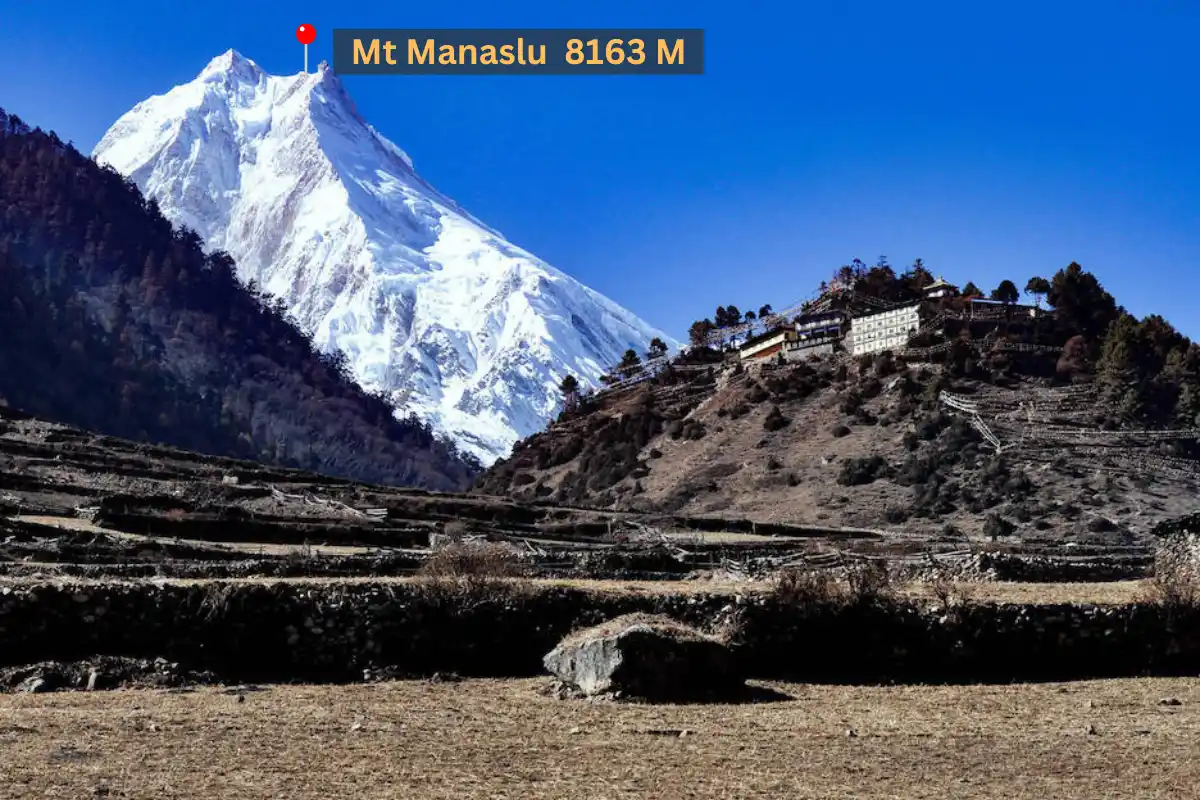
This trek circles the magnificent Mount Manaslu—a peak whose name translates to “Mountain of the Spirit.” This trail takes adventurers through diverse landscapes, ranging from subtropical forests and river valleys to the high-altitude alpine region, mostly following the course of the Budhi Gandaki River and its tributaries. The trek offers an extraordinary opportunity to traverse remote ancient villages, experience rich cultural heritage, and witness breathtaking scenery at every turn.
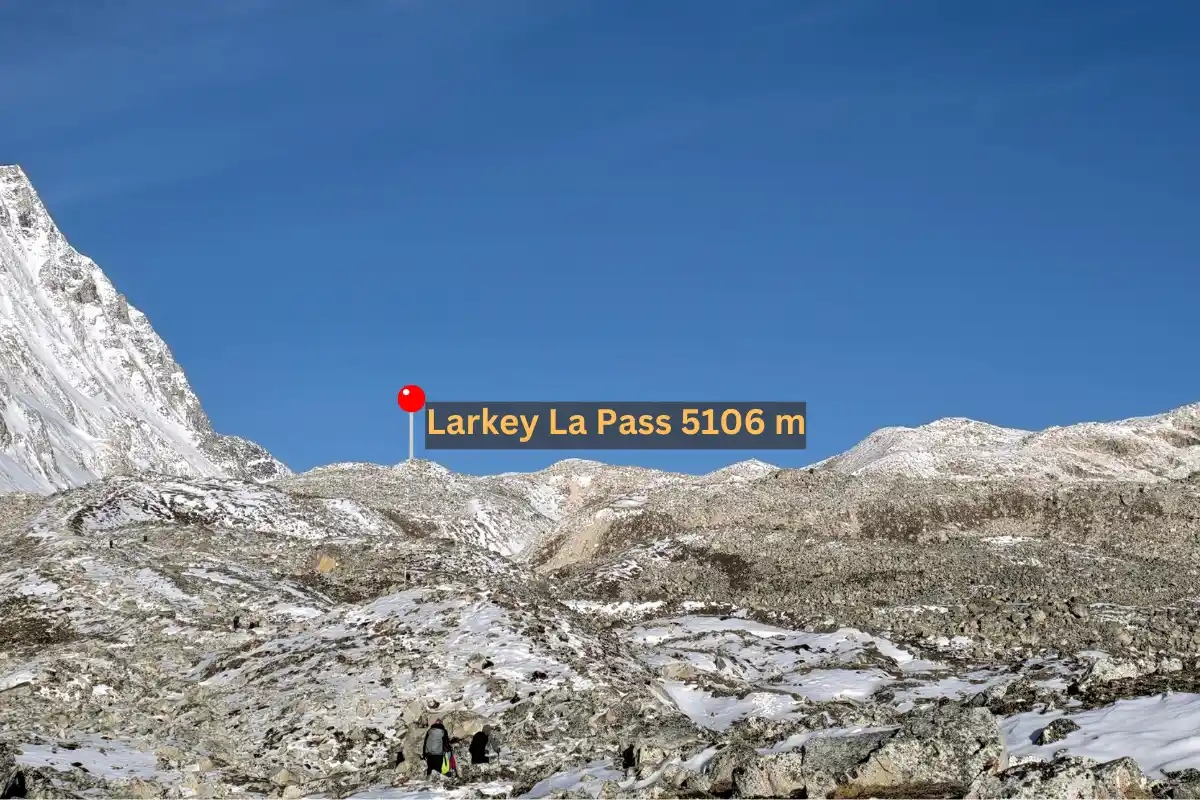
The Manaslu Circuit is a paradise for those who love long-distance trekking. The journey involves extended hiking hours across varied terrains, making it a rewarding challenge for outdoor enthusiasts. One of the trek’s major highlights is crossing the Larkya La Pass (5,106m), which connects the Manaslu region to the Annapurna valley, offering unparalleled panoramic views of the Himalayas.
With our team of experienced guides and professional support staff, your trek will be safe, comfortable, and enriching. Whether you are a seasoned trekker or looking for an off-the-beaten-path adventure, the Manaslu Circuit Trek promises an unforgettable journey through one of Nepal’s most spectacular and untouched regions.
Welcome to Nepal, we will pick you up based on your arrival details from intl airport and transfer to hotel.
Early in the morning, we will come to pick you up at your hotel in a jeep and drive to machha khola. Once we leave behind the busy traffics you can enjoy the scenic views of Nepali landscape.
Trek to jagat, it's an official entry point of the restricted zone, a small village beside the river Budhi Gandaki at the base of the rocky mountain.
Trek to deng, it's a small settlement of 4 tea houses, geographically hidden and beautiful. The trail passes through many small settlements making Phillim one of the biggest, beautifully settled, surrounded by forest and terraced fields for agriculture.
Trek to namrung, tibetan styled mountain village with few tea houses, offering a great view of the valley ahead. The trail widens up the valley with lots of farmlands and monasteries.
Trek to Shyala, a plateau style settlement with a great view of manasul and the mountains around. On this day you can also have your first proper view of the Mt. Manaslu.
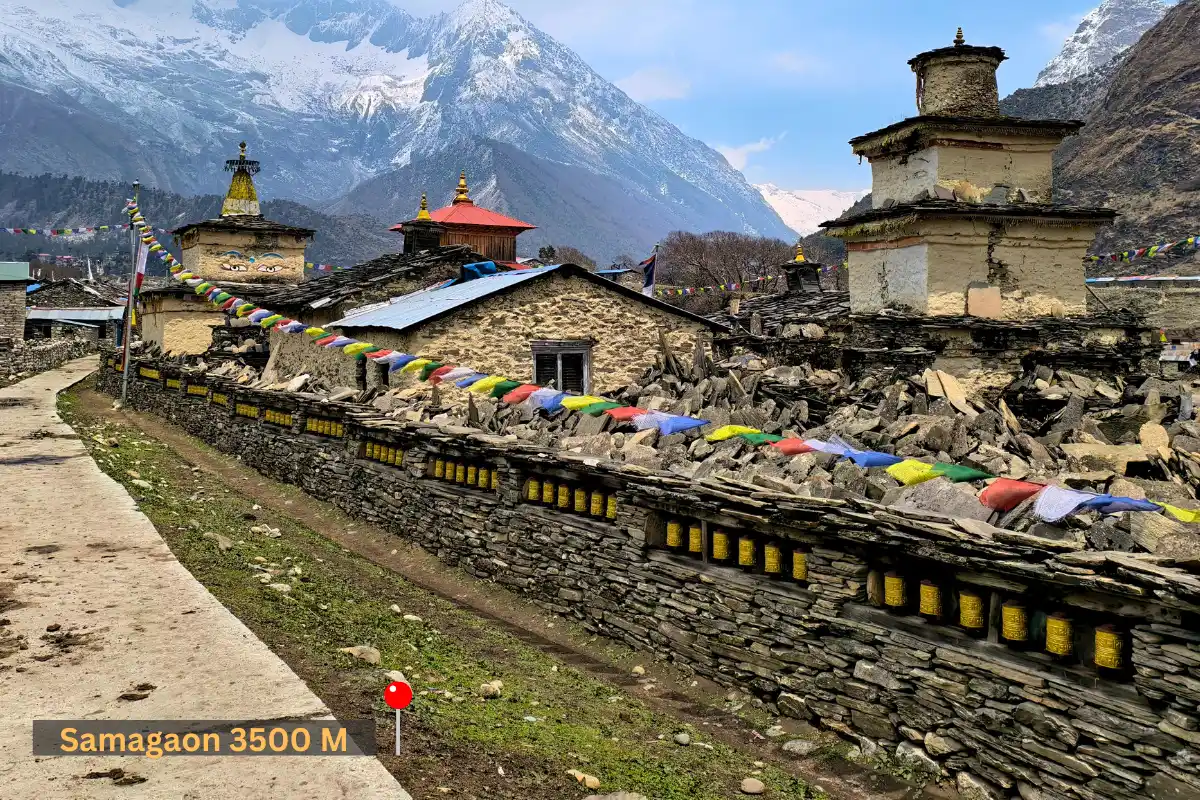
Trek to samagaon via acclimatization side trip to Pungen gompa 4000m, an iconic destination to see the mountain. Samagaon is one of the oldest village in the region and closest to the Manaslu base camp.
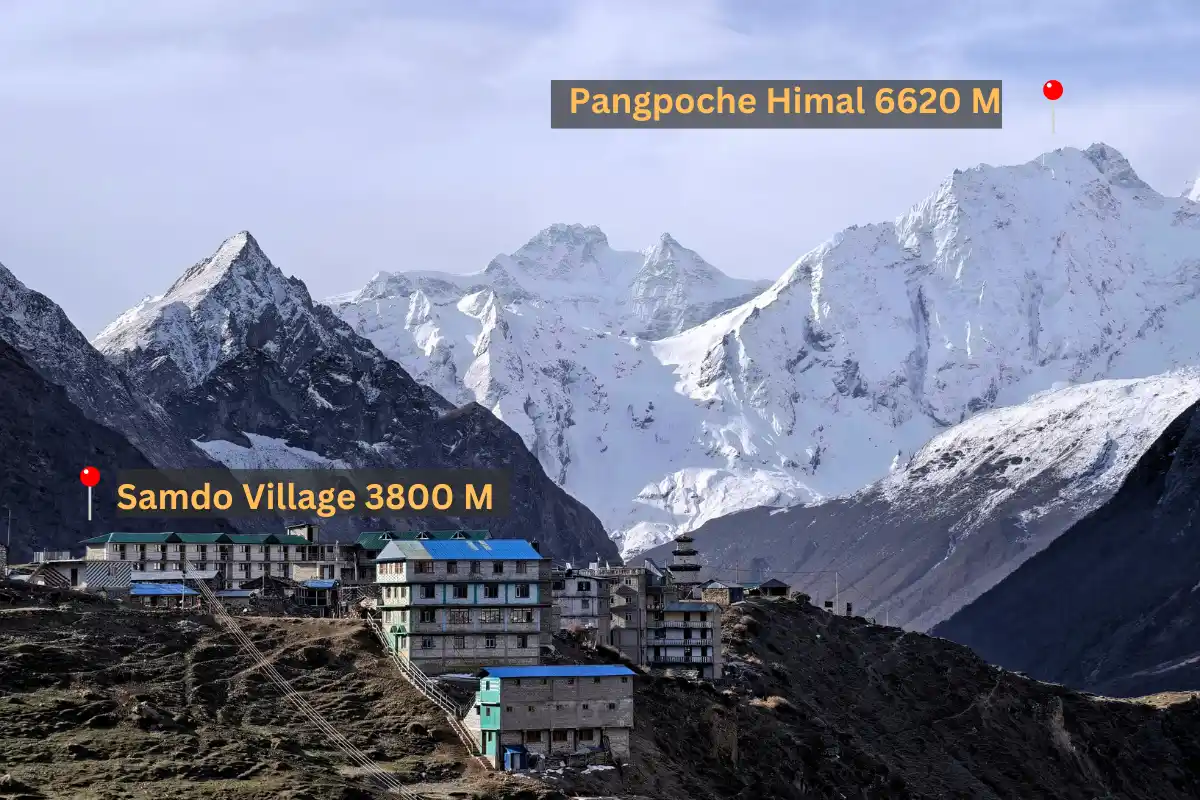
Trek to samdo, one of the newest settlements of the whole country and the result of mass migration that took place during the 60's. a village of pure tibetans, who escaped the Chinese cultural revolution in order to live on their own terms - extra acclimatization exploration.
Trek to Dharmasala, the last teahouse of the valley 3 tea houses in total, sometimes get very busy and people might have to sleep in tents...here mostly the accommodation is dormitory- extra acclimatization exploration.
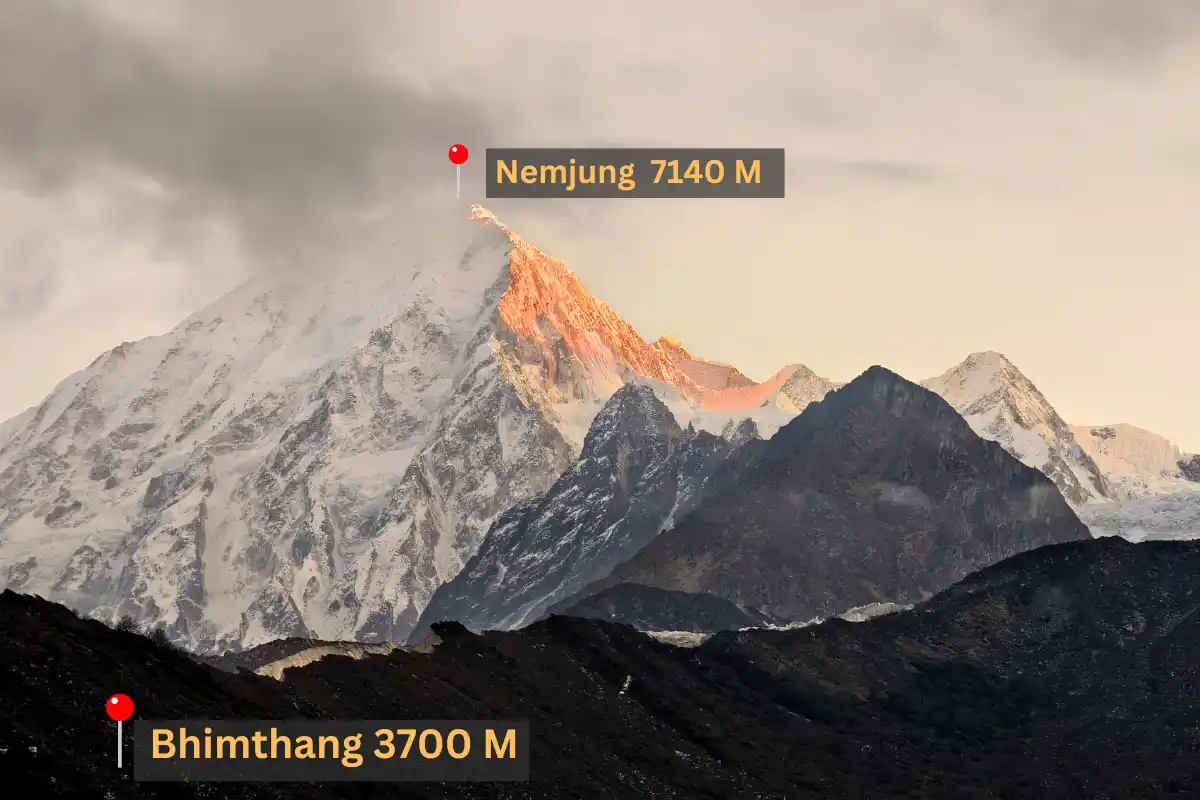
Trek to bhimthang via Larkey Pass 5160 m, people also say it's one of the longest passes in Nepal and is rewarding to reach bhimtang. a tiny valley-like settlement surrounded by real mountains in himalaya.
Trek to Tiliche, back to greenery and forested area...great hiking trails through pine, juniper, rhododendron and many alpine vegetation. You can also witness the breathtaking views of Manaslu North face. the walking trail will be on the dirt road trail after surke.
Trek to dharapani, the last point of the walking, a town that connects the manaslu trail to the famous annapurna circuit. we will get a jeep from here to Besisahar, a vibrant tropical town once famous amongst the trekkers to the annapurna ciorcuit as start point. the roads are an experience itself.
Enjoy the scenic drive to Kathmandu. Bus will stop for toilets and lunch inbetween. once we reach the kathmandu buspark we will take a cab to the hotel. Evenibg time we will have a celeberation dinner.
We will bid you a farewelltoday and drop you to the internation airport according to your requirements. note: the best time is you book your flight for the evening or night departure.
Since the Manaslu region is a restricted area, you’ll need a special permit from the Department of Immigration, plus permits for Manaslu Conservation Area, Annapurna Conservation Area, TIMS card and a local permit.
The trek is moderate to challenging. You’ll walk up to 11 hours a day at high altitudes (max 5,160m), especially when crossing Larkya La Pass. Good physical fitness is essential, and prior trekking experience at altitude is helpful.
Yes, it is generally safe with a professional guide and proper acclimatization. Safety measures include:
Daily monitoring for altitude sickness
Extra acclimatization days built into the itinerary
Agroup first aid kit with oxy can
Helicopter evacuation insurance for Nepali staff
Dormitory/tent options if tea houses are full at high altitude
Travel insurance with emergency evacuation coverage is strongly recommended.
During our trek, you can appreciate bona fide Nepalese nourishment also the more typical international food (Tibetan, Continental, Italian, Indian, and so forth). The essential menu for nourishment includes local food. You might not have more choices for nourishment, yet whatever you eat is healthy. The sustenance menu has dal, Bhat, tarkari, momo (dumplings) and noodles on top.
We will stay at cco Lodges (a small house with few rooms at trekking areas and one room for two people), mostly have a common toilet and bathroom.
Dharamshala may require dormitory or tented accommodation due to limited availability.
Manaslu is much less crowded comparatively, making it ideal for trekkers seeking a peaceful and exclusive Himalayan experience. The region sees fewer trekkers due to permit requirements and its remote location.
Basic electricity (solar/ community hydro/government) is available in most teahouses, for charging devices it will be available often at an extra cost. Wi-Fi is sporadic and unreliable, especially at higher altitudes.
Mobile network coverage exists in lower sections of the trek, but it becomes limited as you gain elevation. In general Nepal has 2 major telecom companies that provide the network services, which are known as “Namaste” or Nepal telecom a govt company and “Ncell” which is a private company. Nepal telecom generals have broader network coverage especially in the rural area.
During the trek, not all the places have western style toilets in most hotels they have asian style squat toilet, It is always easier and cleaner to maintain squat toilets. Water is stored in drums. Since toilets are common for a floor, it can get dirty in peak seasons, when there’s a high flow of trekkers. Most of toilets you have to throw your toilet papers and sanitary pads in the rubbish bin. There wont be availability of toilet paper to use, however you can purchase them in the tea house, we reccomend you to carry few with you from kathmandu.
There are 2 types of electrical sockets in Nepal –type D which are old UK style (3 round pins) and type C which are standard European style (2 round pins) –and are 220v, same as the UK. The type D socket is commonly found in India, so any adapter that is suitable for India will be the right size, and a European adaptor will be fine for the type C socket.
Through out the trek there will be availability of hot shower, some from gas geaser and some from solar. however it will cost you from around Rs 300 to Rs 700 per shower.
Regarding laundry, there is no proper laundry service, but you can do a self laundry. its important that you are aware about the drying time frame.

Member Since 2025